Stalled NGFCP Flare Awards: What Award Holders Can Do Before Review
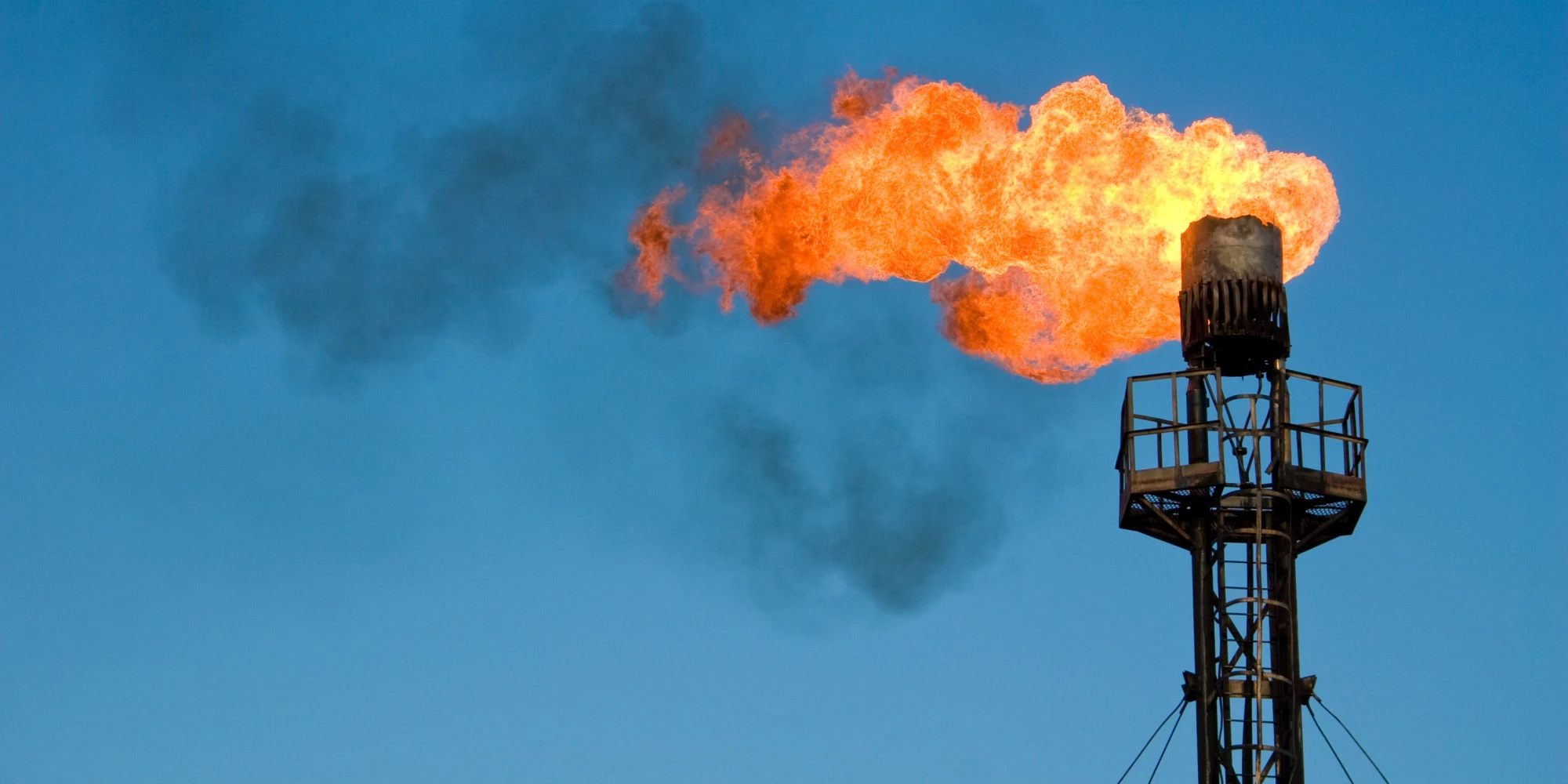
TL;DR: An NGFCP flare gas award gives a company the right to capture gas that Nigerian oil producers would otherwise flare. In October 2026, Nigeria's gas minister said roughly 22 of the 42 awardees had yet to make significant progress. NUPRC can revoke awards that stall. On-site power is the fastest way to show progress, because it needs no pipeline and no grid.
What is an NGFCP flare gas award?
It is a right to commercialise gas at a specific flare site in Nigeria. The Nigerian Gas Flare Commercialisation Programme (NGFCP) awards those rights to third-party companies. The goal is simple: capture associated gas and put it to use instead of burning it.
How many NGFCP awardees have stalled?
About 22 of 42. Ekperikpe Ekpo, Minister of State for Petroleum Resources (Gas), said about 20 companies had made significant progress. That leaves roughly 22, or 52.4%, yet to reach that level. He based the figure on a NUPRC report on awardee activity (Guardian Nigeria, Oct 5, 2026).
The minister also said some investors had met resistance gaining access to flare sites. Access is a real problem, and it is worth naming.
What happens to an award that stalls?
It can be revoked. NUPRC evaluates each award one year after it is granted. Where progress is insufficient, the Commission says it will act, up to revoking the award (BusinessDay, Sep 2026).
The minister was direct about the choice. Companies can develop the technology to capture the gas, or allow qualified investors to commercialise it.
Why does flare gas sit unused in Nigeria?
Because most capture plans wait on infrastructure that does not exist yet. The World Bank names the barriers: missing pipelines, thin gas markets, scarce capital and weak enforcement (World Bank, 2026).
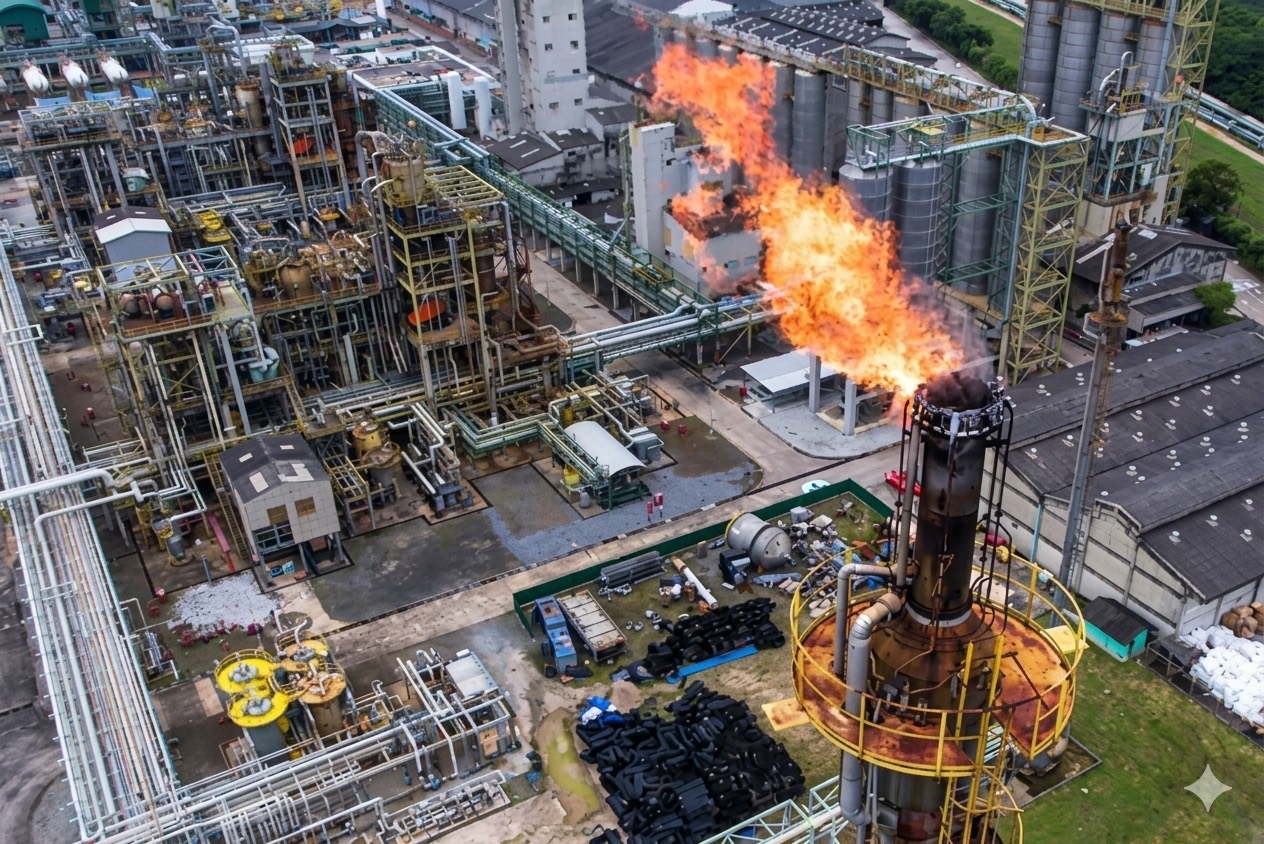
The cost of waiting is large. Nigeria flared about 301.6 billion cubic feet of gas between January 2025 and June 2026 (Guardian Nigeria). Nigeria is also among the nine countries that account for 83% of global flaring (World Bank, 2026).
How does on-site power put flare gas to work?
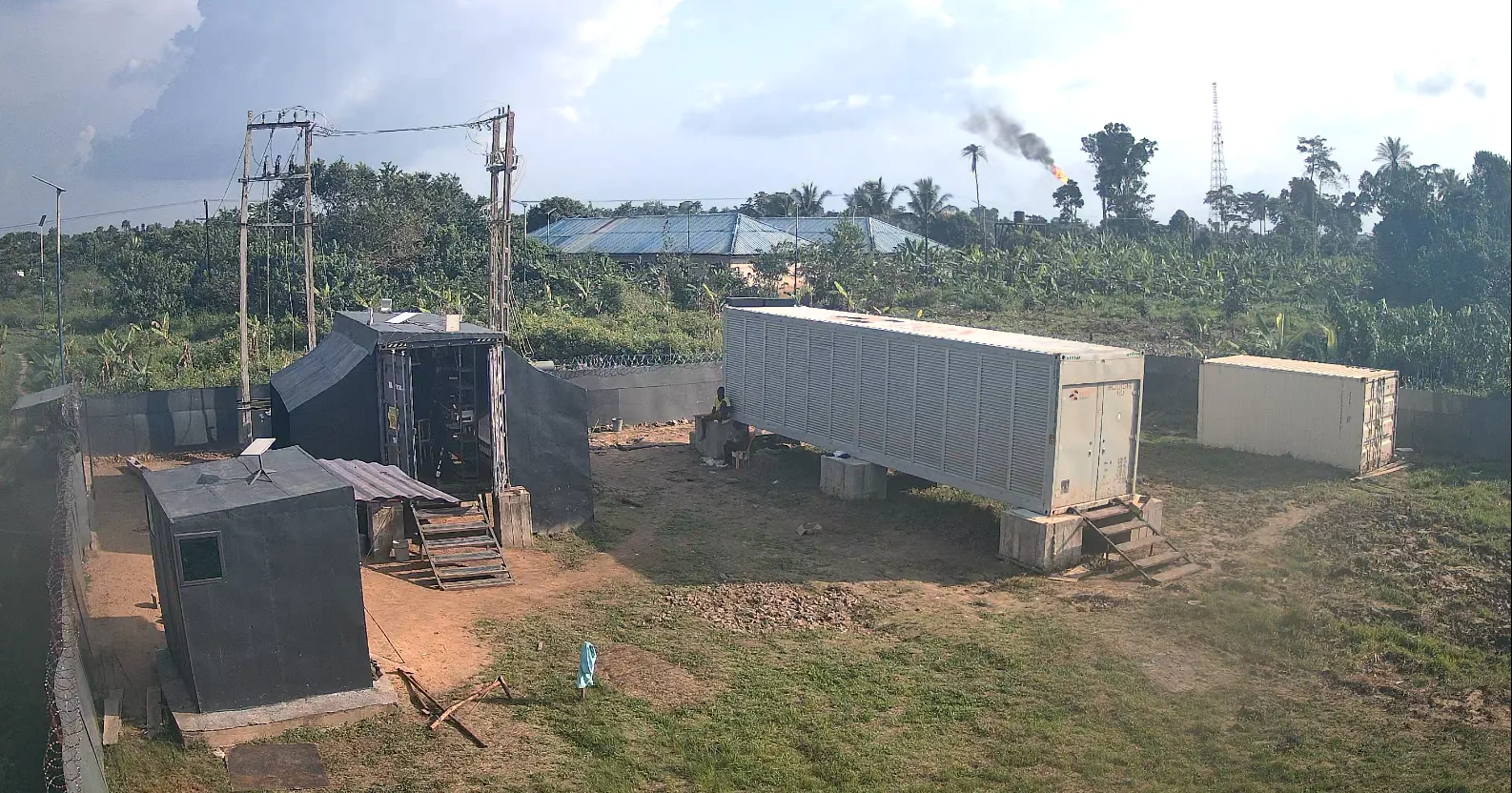
It uses the gas where it comes out of the ground. Gas generators sit next to the flare and turn associated gas into electricity. A modular data center beside them uses that power on site.
There is no pipeline to build and no grid queue to join. That is why on-site power can show progress on a timeline measured in months, not years. Our standard path runs from first call to first power in under 90 days.
What does it look like in the field?
We have run a modular data center on flared gas at Ogboinbiri, in Bayelsa State, since February 2025. The site is energized at 1 MW of 1.5 MW developed. It has held 94% uptime under a community-based power purchase agreement.
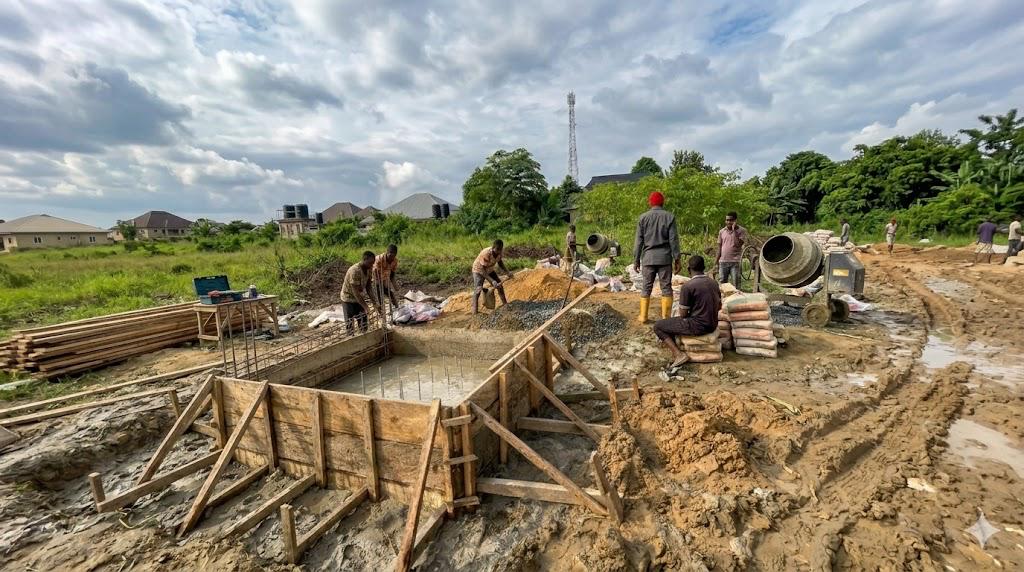
The hard part is not the technology. It is operating in the Niger Delta: logistics, humidity, generator maintenance and community agreements. We run generators below full load, with scheduled downtime, to keep them alive in those conditions. Read the flare gas data center in Nigeria case study for the full record.
What does it earn the gas owner?
Revenue from gas that was being burned. The owner sells gas it would otherwise flare, and NRG Bloom deploys, owns and operates the compute on site. Flaring at the wellhead falls as the gas is used.
Bitcoin mining goes first because it tolerates variable power and proves the site. AI inference follows once the site is proven. Our modular data center deployment model sets out the stages.
What comes next for award holders?
The review clock is already running. An award holder with no capture plan should decide soon whether to build, partner or risk revocation. A working on-site deployment is clear evidence of progress.
FAQ
What is the NGFCP? The Nigerian Gas Flare Commercialisation Programme awards third parties the right to capture and use gas at specific flare sites. Its aim is to end routine flaring.
Can an NGFCP award be revoked? Yes. NUPRC evaluates each award one year after it is granted and can revoke awards where progress is insufficient.
Does flare gas need a pipeline to earn revenue? No. On-site generation turns the gas into power where it is produced, and on-site compute uses that power.
How long does an on-site deployment take? Our standard path runs from first call to first power in under 90 days, depending on the site.
Holding an NGFCP flare site award with no capture plan yet? Tell us about your site. We will tell you whether it fits.
References
- (1) Guardian Nigeria, "Gas commercialisation falters as 22 of 42 awardees struggle to develop flare sites", Oct 5, 2026.
- (2) BusinessDay, "NUPRC to revoke gas flare permits over inaction", Sep 2026.
- (3) World Bank GFMR, 2026 Global Gas Flaring Tracker Report, June 23, 2026.
Holding an NGFCP flare site award with no capture plan yet?
See how energy partnerships work →