
Cutting Gas Flaring at the Source, With a Carbon Credit Pathway
Flared gas is lost revenue for the owner and a methane source for the community around it. We put that gas to work on site, reduce flaring at the wellhead, and hire locally.
Methane Destruction at the Source
From Flaring to Computing
When natural gas is flared at oil production sites, it releases methane and CO2 directly into the atmosphere. If you are new to the mechanics, here is what gas flaring is. NRG Bloom captures that gas before it's burned and routes it through generators that power compute infrastructure. The result is a reduction in methane emissions, one of the most potent greenhouse gases.
Our first site in Nigeria has mitigated more than 300 tonnes of CO2 equivalent since going live in February 2025. As we add sites, that number grows with every watt deployed. Read the Ogboinbiri case study →

The Carbon Credit Pathway
Methane destruction from flare gas is quantifiable under established international methodologies.
AM0009 Methodology
Our operations align with UNFCCC CDM methodology AM0009, recovery and utilization of gas from oil fields that would otherwise be flared or vented. It is the established methodology for quantifying emissions reductions from associated gas capture. No credits have been issued to date and our mitigation figure is not yet third-party verified.
Revenue Streams
Each NRG Bloom site generates compute revenue from mining and AI inference, and gas purchase fees paid to energy partners. Carbon credits from methane destruction are a third potential stream once the mitigation is verified and credits are issued; none have been issued to date.
Scalable Impact
Each new site adds measurable methane destruction. The impact scales directly with our compute footprint.
Building Where It Matters
Local Jobs. Local Value. Long-Term Presence.
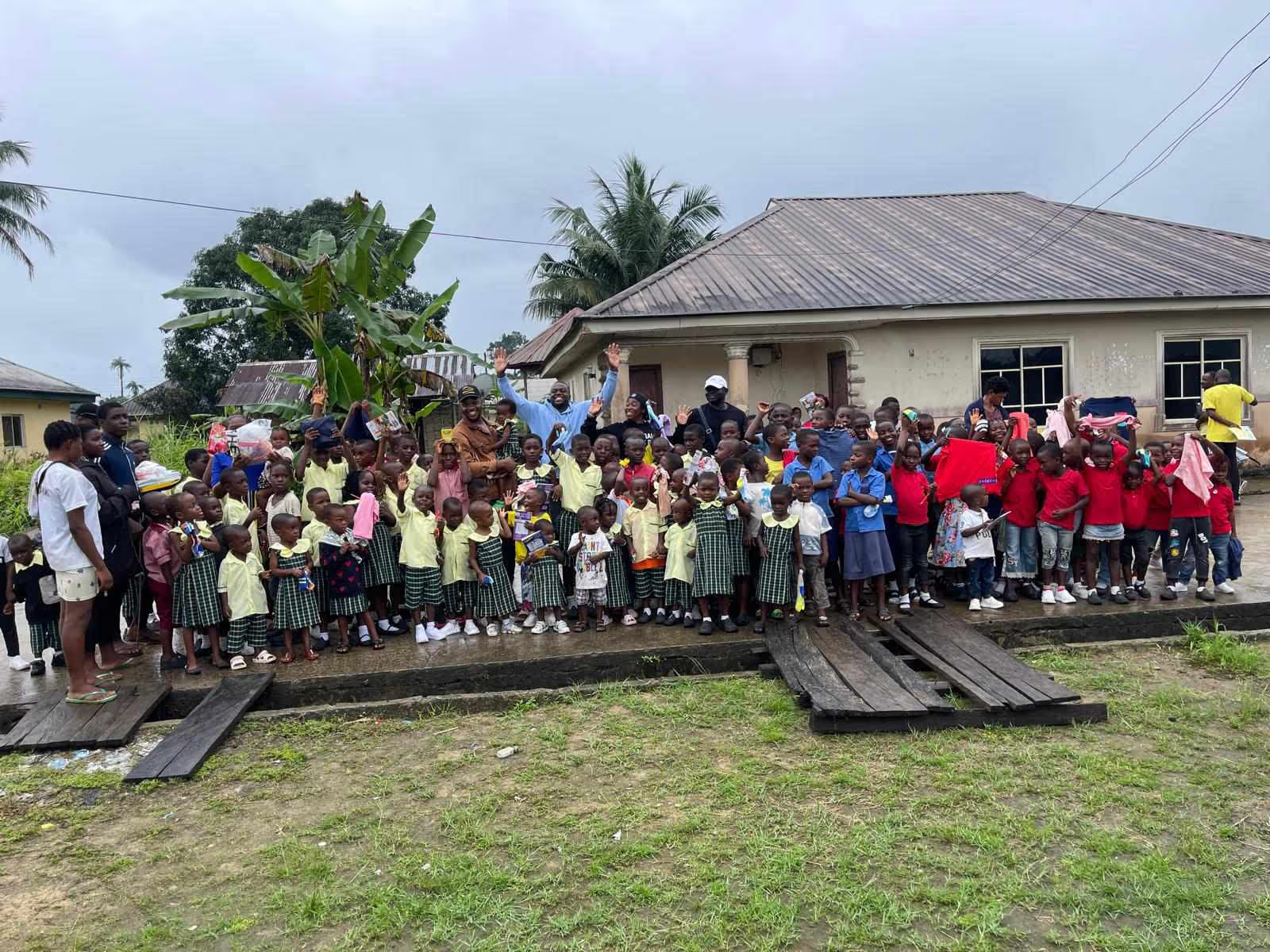
NRG Bloom doesn't fly in and fly out. Our sites are staffed by local teams who manage day-to-day operations, security, and maintenance. We invest in training programs so that the communities around our sites benefit directly from the infrastructure we build.
In Ogboinbiri, our operations have created direct employment for local residents and contributed to the economic development of the surrounding area. This isn't charity. It's how we build sustainable operations that last.
- Local hiring and on-site training programs
- Long-term site presence (5-10 year agreements)
- Community engagement and stakeholder alignment
- Infrastructure improvements that outlast our operations
How We Operate
Responsible infrastructure means more than reducing emissions. It means operating with transparency, accountability, and respect for the communities we work in.
Regulatory Compliance
We work within the regulatory frameworks of every market we enter. In Nigeria, we operate under a community based power purchase agreement.
Stakeholder Alignment
Before deploying at any site, we engage with local communities, government officials, and energy partners to ensure alignment on goals, timelines, and shared value creation.
Operational Transparency
Our investor relations page publishes our headline operating metrics. We believe transparency builds trust, and trust builds long-term partnerships.
Environmental Stewardship
Every operational decision considers environmental impact. From generator efficiency to cooling systems, we optimize for minimal footprint and maximum output.
ESG & Impact FAQ
