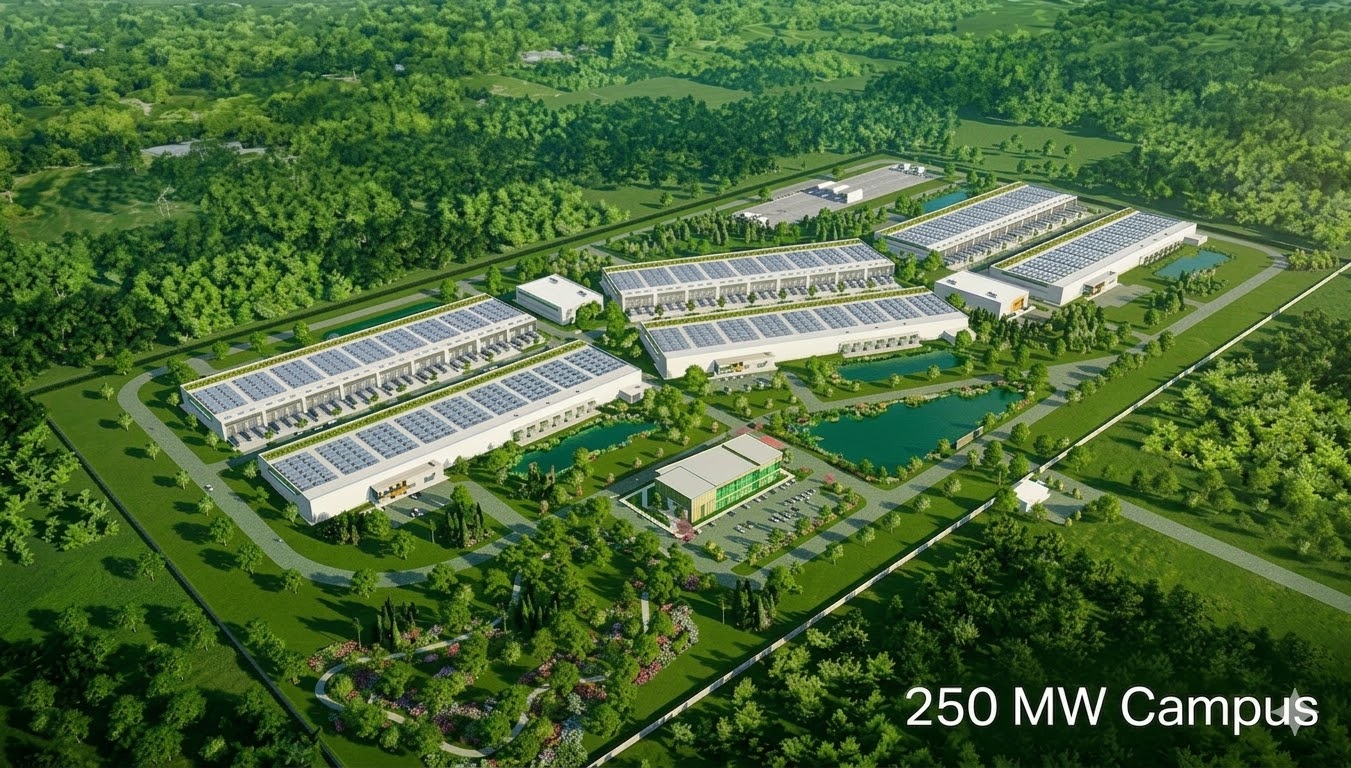
Modular data center deployment,
built in stages.
Power is the bottleneck for compute, not chips. Grid interconnection queues run for years. We deploy modular data centers on stranded gas instead. Bitcoin validates the site. AI inference scales it.
Three Stages. One Proven Path.
Every site follows the same discipline: validate with hashrate, harden for uptime, then deploy GPU compute.
Behind-the-meter means power is generated and used on the same site, without passing through a utility grid. Our sites run behind the meter on associated gas. There is no interconnection queue to join.
Validate
Deploy ASIC miners to stress-test energy, connectivity, and regulatory fit in 60-90 days.
Harden
Upgrade to Tier III-ready cooling, redundant power, and high-bandwidth connectivity.
Scale
Deploy GPU clusters for AI inference. Real-time load balancing maximizes every watt.
Validation
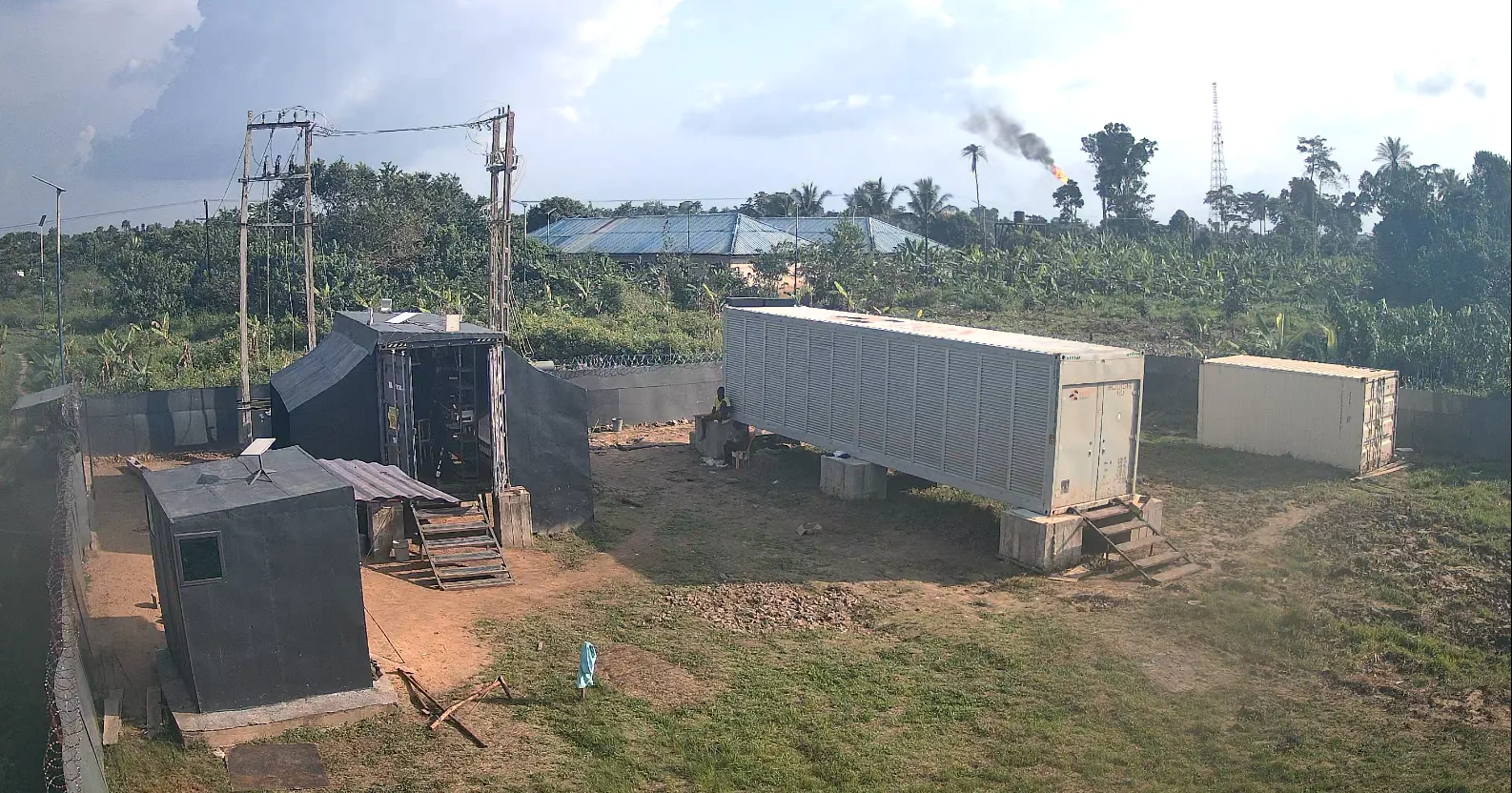
We deploy containerized ASIC mining units to candidate sites within 60-90 days. These units act as a 24/7 operational stress test, generating revenue from day one while proving site viability.
- Gas quality and flow consistency validation
- Generator uptime and thermal performance testing
- Connectivity and remote monitoring stability
- Regulatory and community alignment assessment
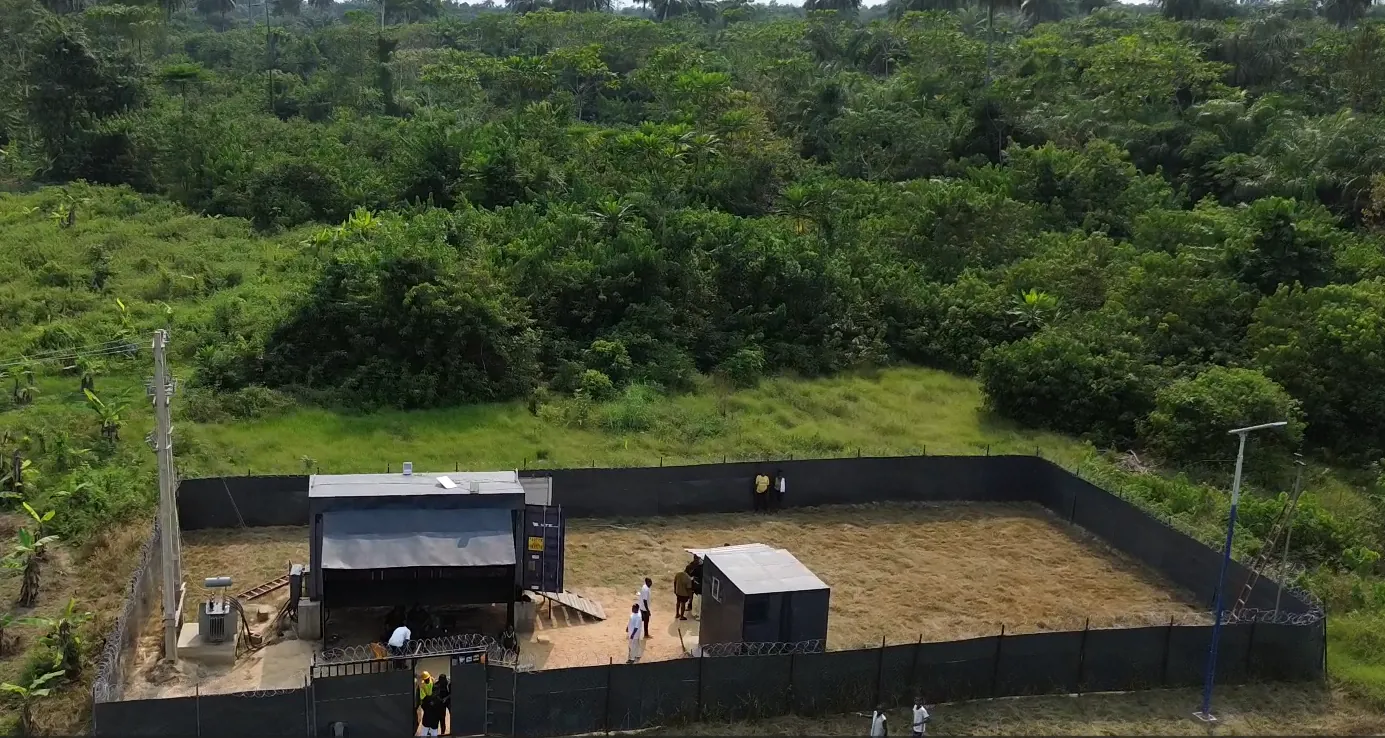
The Ideal Validation Workload
Bitcoin mining carries no customer SLA, no latency sensitivity, and generates revenue immediately, which makes it a practical operational proof of concept.
Zero SLA Risk
No customer uptime guarantees. If power drops, miners pause and resume, no penalties, no refunds, no breach of contract.
Revenue From Its First Block
Bitcoin mining earns from its first block. No ramp-up and no customer acquisition.
Hardware Resilience
ASIC miners tolerate heat, dust, and power fluctuations that would damage GPU clusters. Suited to unproven environments.
Thermal Battery
BTC miners absorb excess energy during off-peak periods, keeping generators at optimal load and cooling systems stable.
Infrastructure Hardening
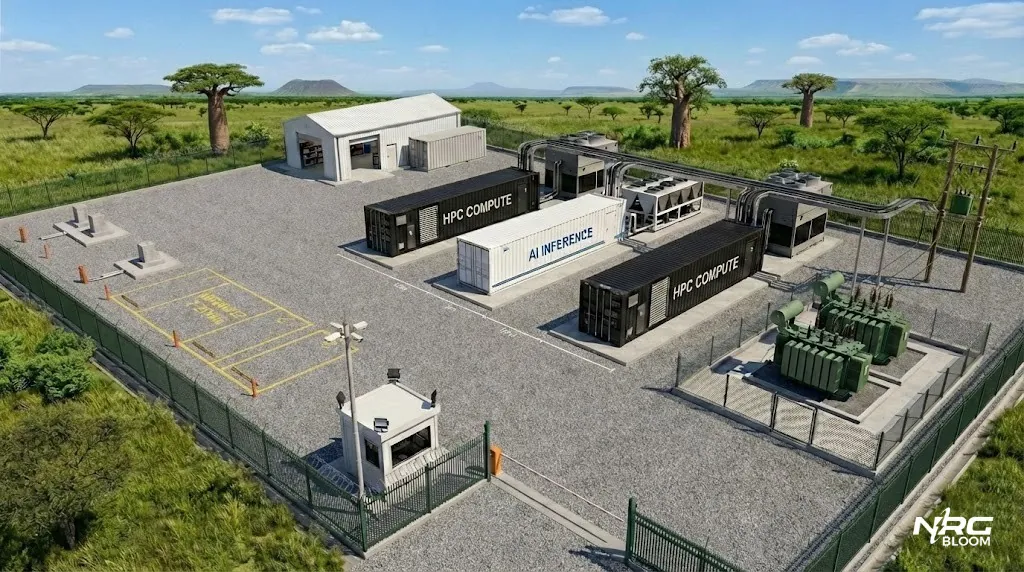
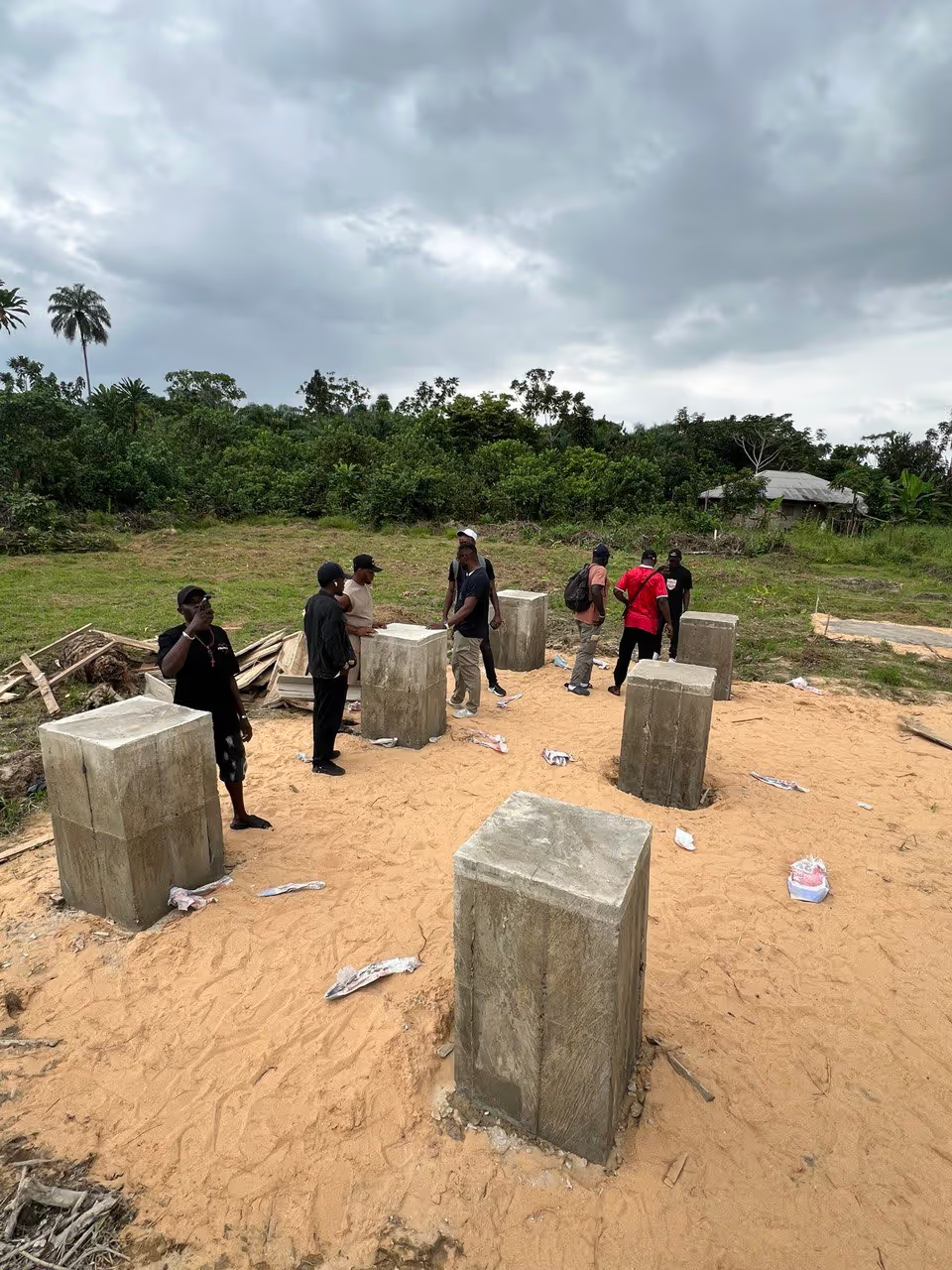
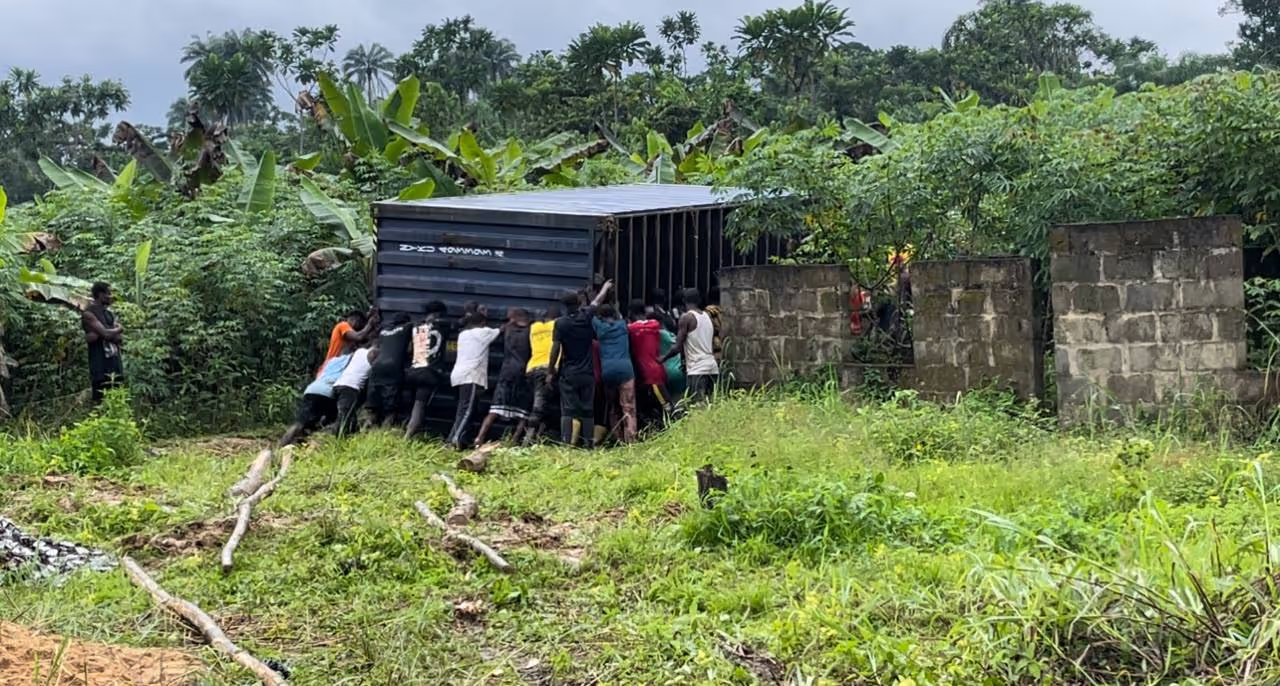
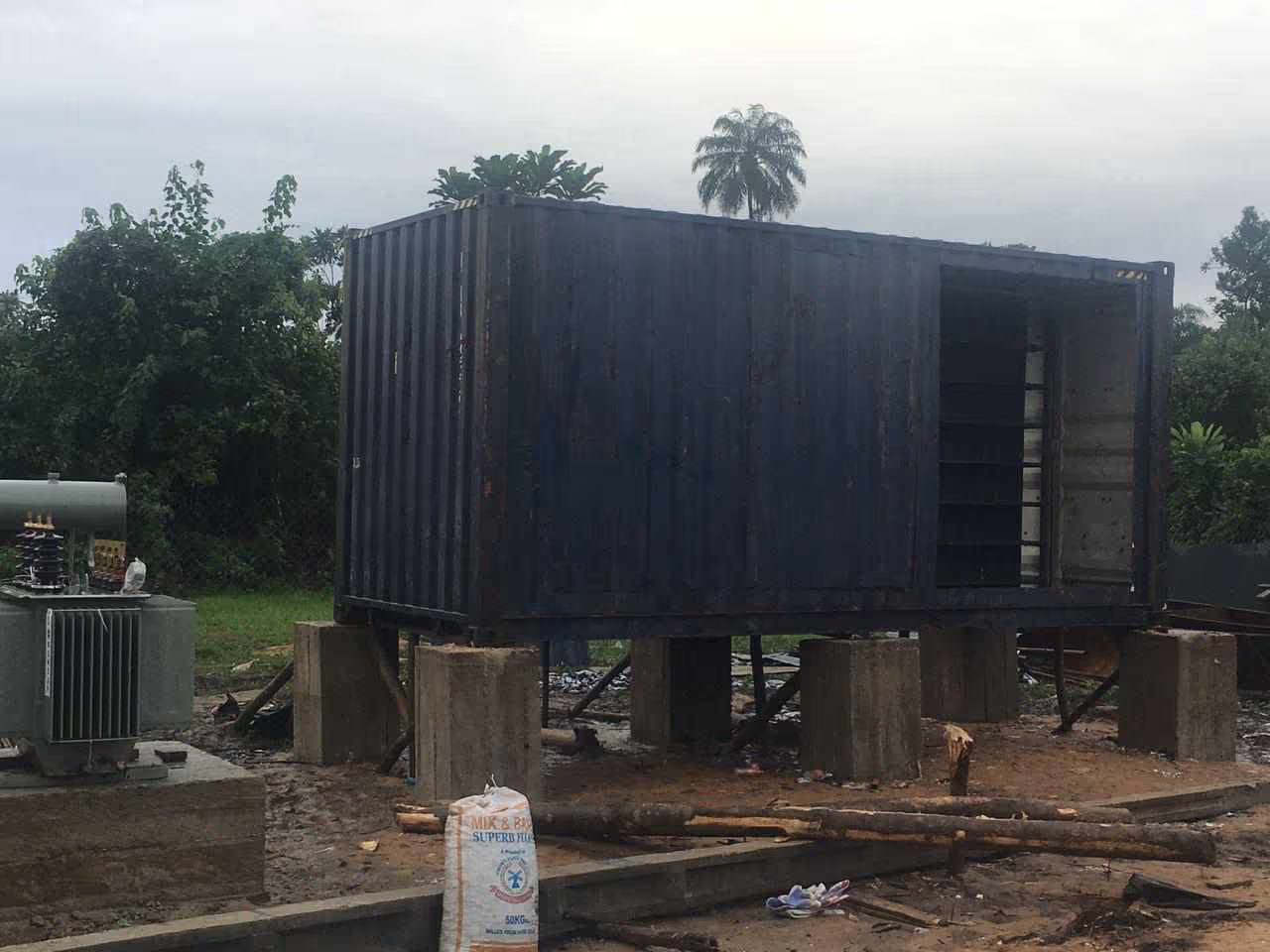
Once a site passes validation, we invest in permanent infrastructure upgrades that transform a mining camp into a certified compute facility.
- High-bandwidth connectivity via microwave links or fiber backhaul
- Tier III-ready liquid or immersion cooling systems
- Redundant power conditioning and UPS systems
- Physical security and environmental monitoring
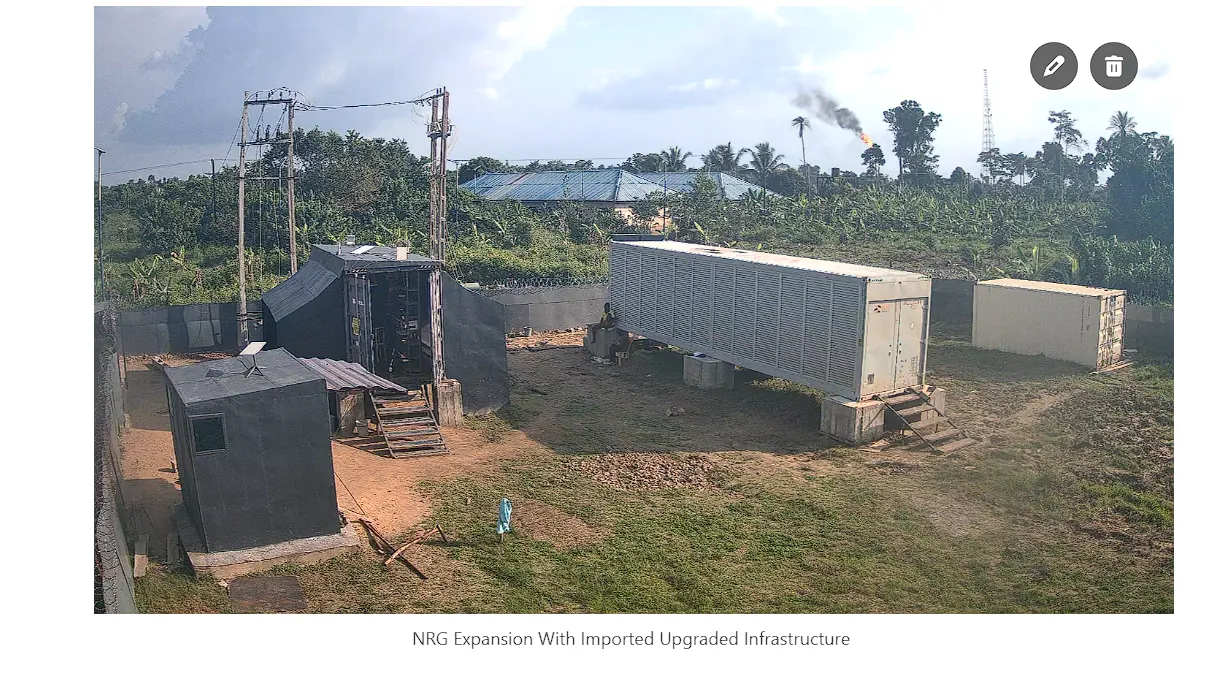
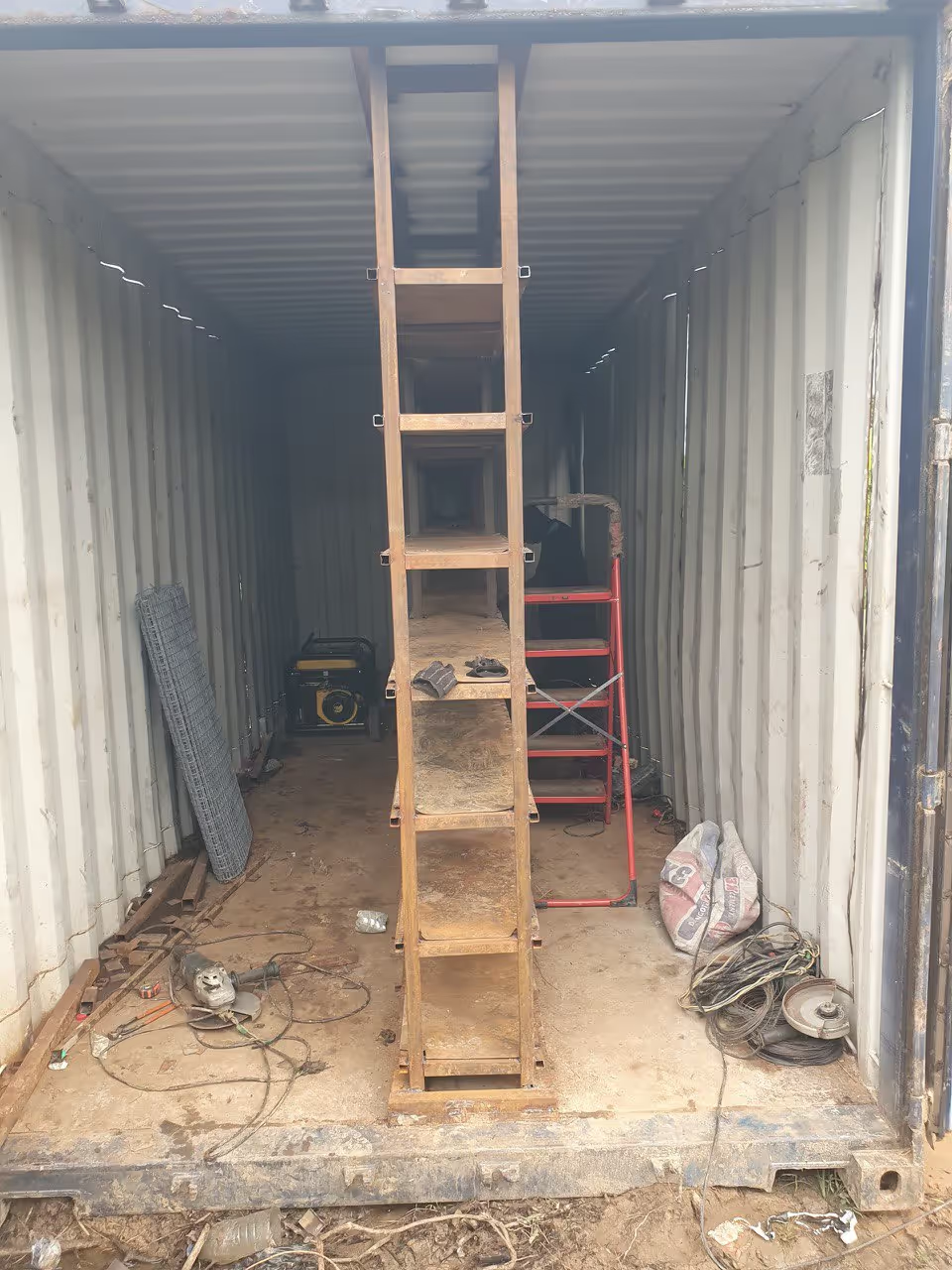
Real Infrastructure. Real Progress.
AI Inference at Scale
The hardened site receives GPU cluster deployments for AI inference workloads. Our load orchestration continuously allocates power between AI workloads and stable baseline workloads. Read more on AI inference on stranded energy →
- GPUs receive priority power when AI demand is high
- Bitcoin mining absorbs off-peak capacity
- Generators stay at steady load
- Cooling systems maintain optimal efficiency via thermal load